






















































How to Prevent Tennis Elbow While Playing Padel
How Can I Prevent Tennis Elbow When Playing Padel?
Padel is fast, social and highly accessible, but the repetitive nature of hitting a ball, gripping a racket and playing frequent matches can place considerable demand on your forearm and elbow.
One of the problems players can encounter is tennis elbow, despite playing padel rather than tennis. Tennis elbow, also known as lateral elbow tendinopathy or lateral epicondylitis, typically causes pain and tenderness around the outside of the elbow. The discomfort can also extend into the forearm and may become particularly noticeable when gripping, lifting or moving the wrist.
Fortunately, there are practical ways padel players can reduce unnecessary stress on the elbow. Your racket, grip, technique and playing habits can all make a difference.
So, how can you protect your arm while continuing to enjoy your padel?
It would be too simplistic to say that a particular padel racket causes tennis elbow. However, the characteristics of your racket can influence how demanding it feels to swing and how much vibration or feedback you experience at impact.
Three areas are particularly worth considering: weight, balance and stiffness.
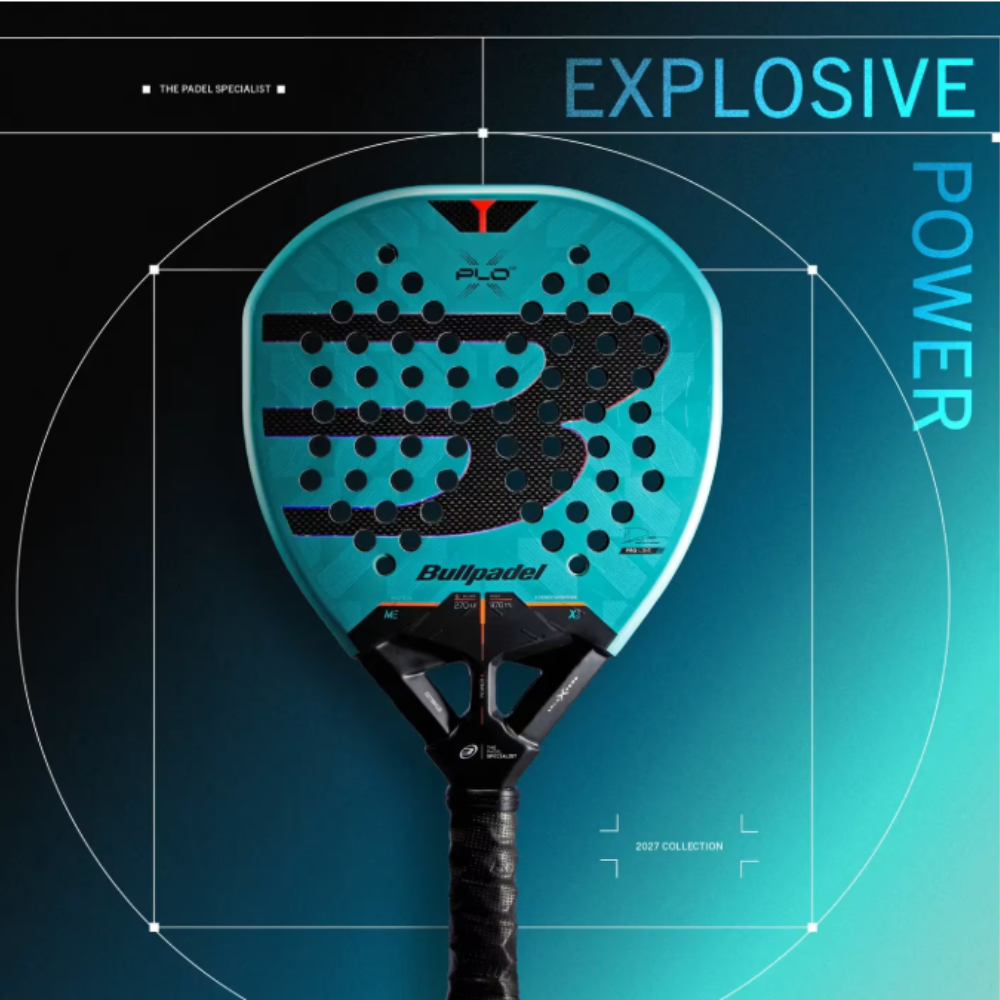
Racket Weight
A heavier racket can provide excellent stability and power, but it also requires the player to repeatedly accelerate and control more mass. For a strong, technically developed player this may not be a problem, but a racket that feels excessively heavy can become increasingly difficult to manoeuvre as a match progresses.
At the opposite end of the spectrum, lighter padel rackets are generally easier to manoeuvre. Bullpadel, for example, differentiates between heavier performance models and lighter alternatives designed to provide greater manoeuvrability.
The important point is not simply to buy the lightest racket possible. Choose a weight that you can comfortably control throughout an entire match, rather than one that only feels manageable for the first ten minutes.
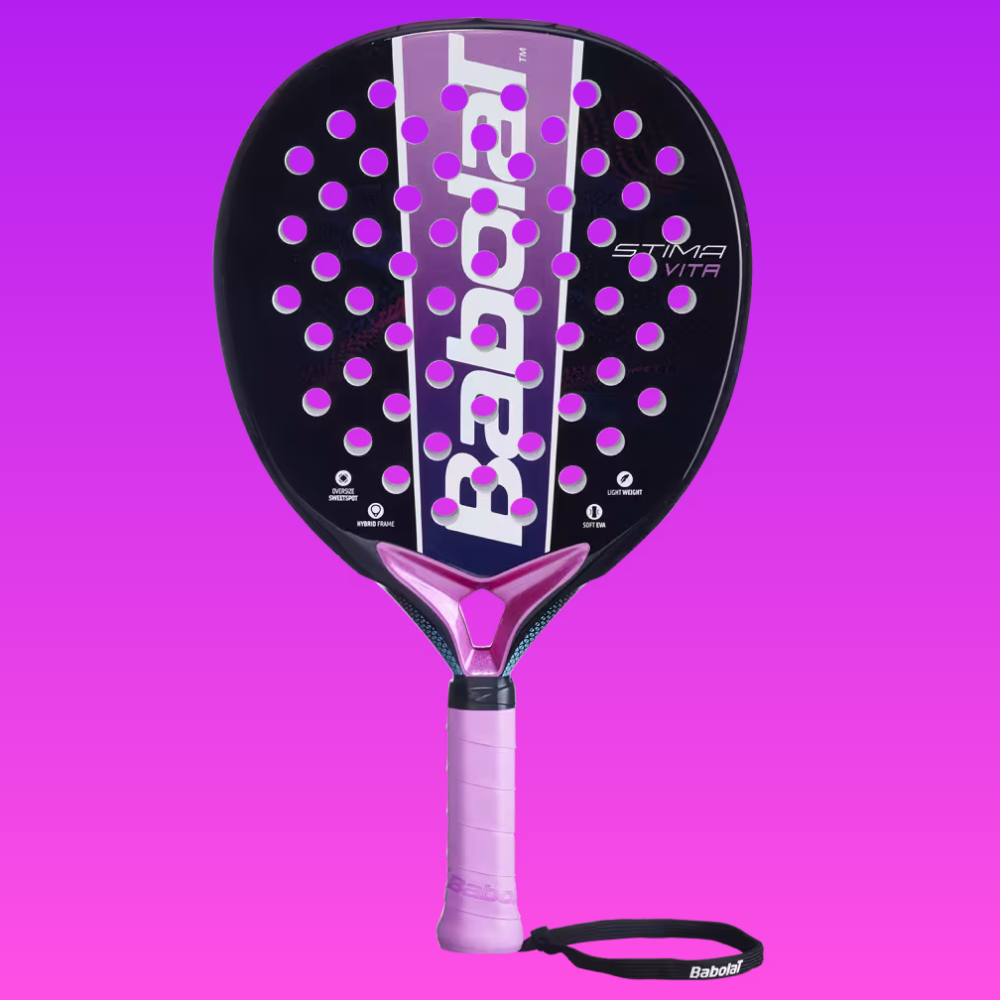
Racket Balance
Balance determines where the weight of a racket is concentrated. A head-heavy racket places more mass towards the top of the racket. This can help generate power and inertia, particularly on attacking overheads, but it also requires more effort to manoeuvre.
Lower-balanced rackets generally feel easier to move because more of the weight sits closer to the hand.
For players concerned about arm comfort, this difference is worth considering. A powerful, head-heavy racket may be attractive, but it is not automatically the right choice for every player.
Racket Stiffness and Vibration
The materials inside a padel racket affect its feel at impact.
Softer constructions generally provide a more cushioned response, whereas firmer constructions tend to create a more direct and responsive sensation. Many brands describe Soft EVA as providing a cushioning effect and comfortable playability, while firmer EVA constructions are less forgiving.
Manufacturers have also developed specific technologies intended to reduce vibration. HEAD's Soft End Cap 2.0, for example, is designed to dampen vibrations for a more comfortable grip, while Babolat's Vibrabsorb System integrates elastomer materials into areas of the racket to improve vibration absorption.
None of these technologies should be treated as a guarantee against tennis elbow. They are better viewed as comfort features that can form part of a sensible racket choice.
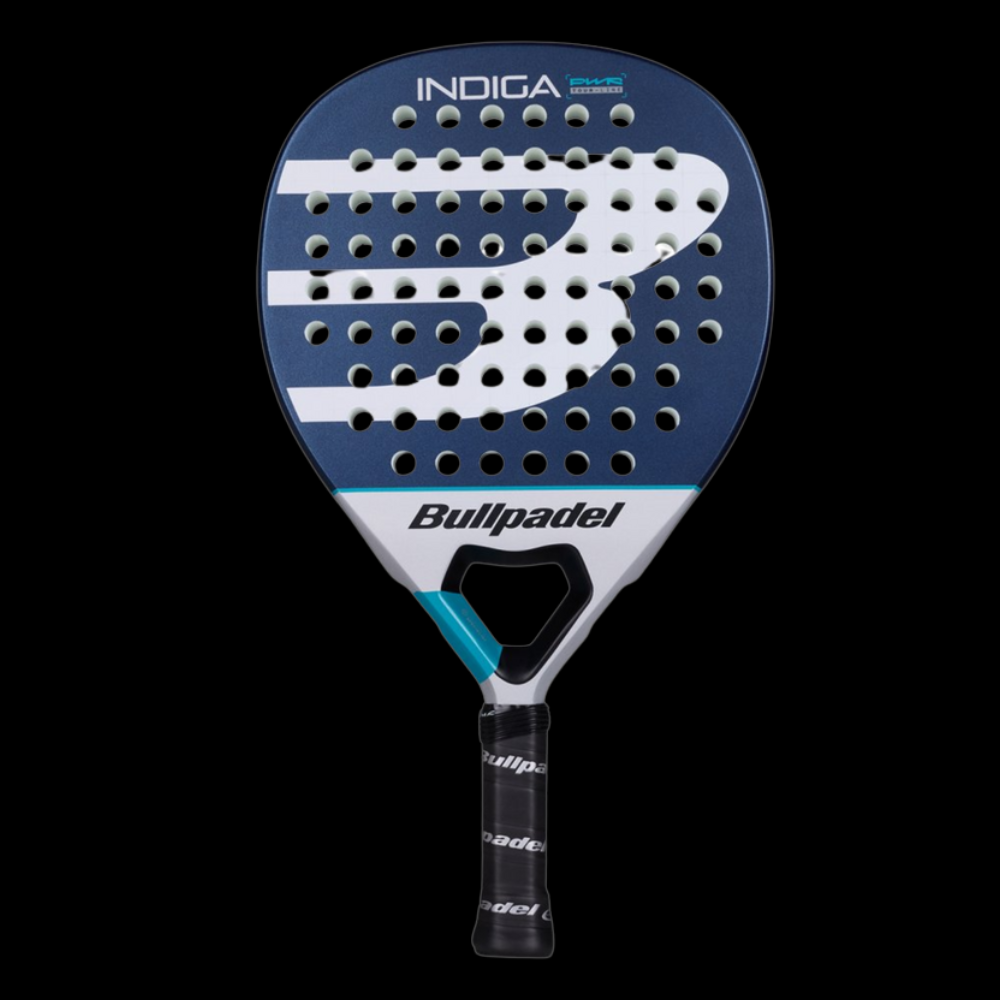
Wrong Grip Size
Your grip is one of the most overlooked parts of a padel racket set-up. If the handle does not feel secure or comfortable, you may compensate by squeezing the racket harder. That matters because gripping is one of the movements commonly associated with aggravating tennis elbow symptoms.
The NHS specifically identifies gripping objects and repeated wrist movement as activities that can make tennis elbow painful. Padel rackets differ from tennis rackets because they do not normally offer the same extensive range of manufactured grip sizes. Instead, players often adjust the handle using one or more overgrips.
Adding an overgrip can increase the handle circumference slightly while also providing a fresh, tacky surface. This can help you find a secure hold without feeling that you need to squeeze the handle excessively.
However, adding layer after layer is not automatically better.
A grip that becomes too thick can also feel difficult to control, while one that is too thin may encourage some players to grip more tightly. The aim is to find a circumference that allows the racket to sit securely and naturally in your hand.
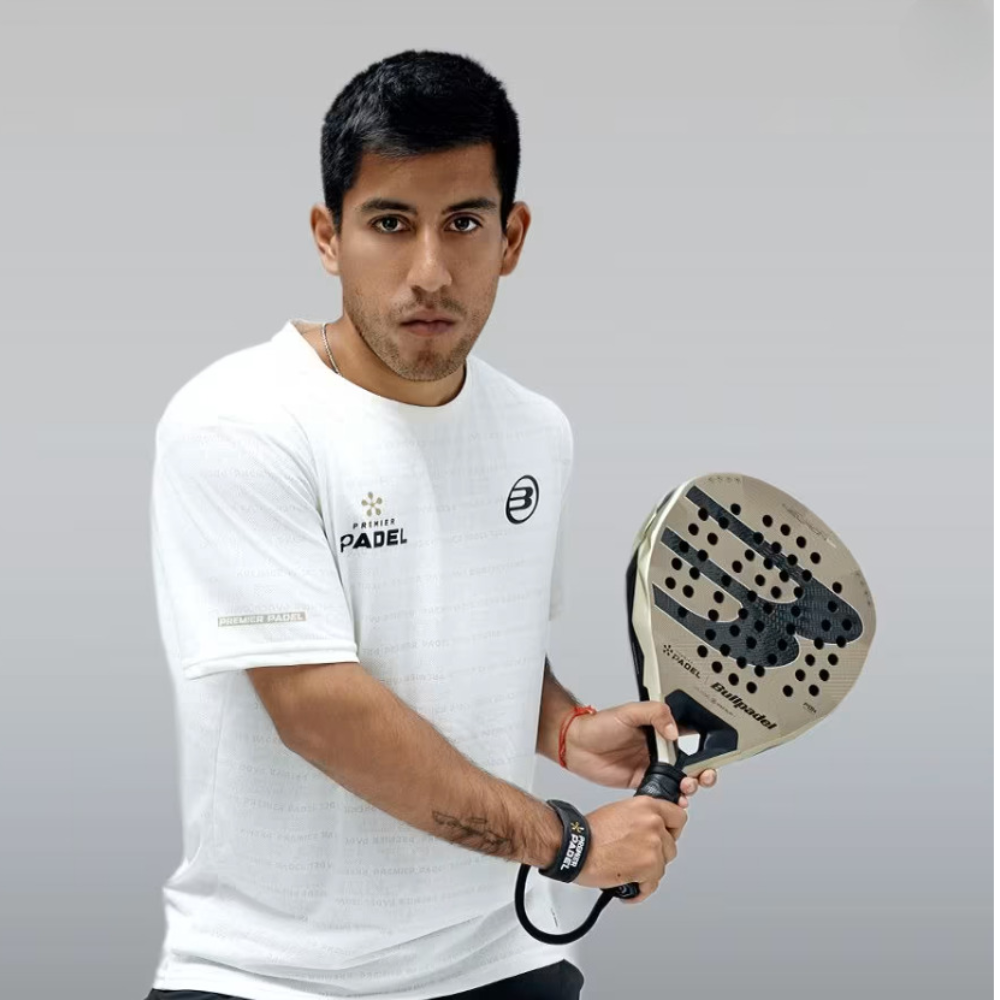
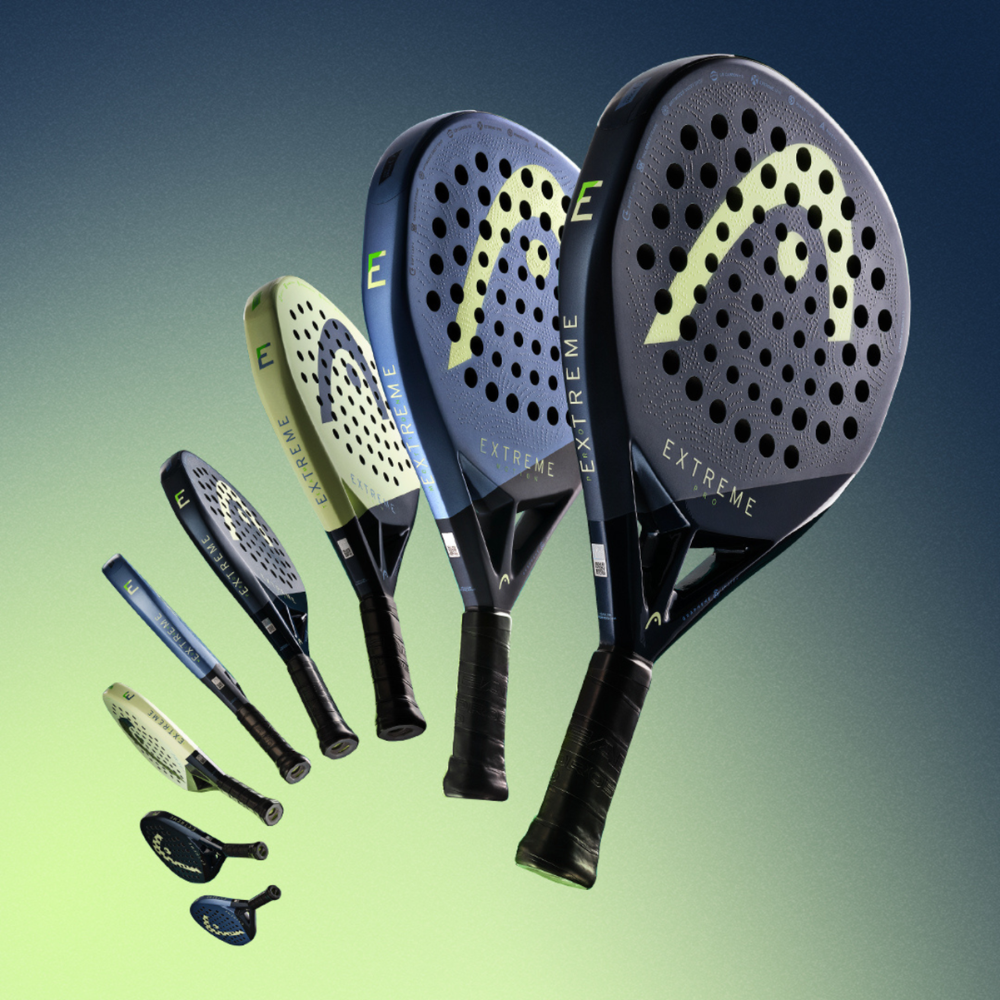
Manageable Weight and Balance
Choose a racket you can swing comfortably and repeatedly without feeling that your forearm is fighting against it.
A racket can feel perfectly manageable when you pick it up in a shop, but padel involves hundreds of movements during a match. Think about how that weight will feel after an hour of volleys, bandejas, viboras and defensive shots.
Players experiencing arm discomfort may find a manoeuvrable racket easier to handle than an extremely head-heavy power racket.
Round padel rackets commonly have a lower balance point, while diamond-shaped rackets are frequently designed with more weight towards the head. That does not mean diamond rackets are inherently bad for your elbow. It simply means you should select a balance appropriate to your strength, technique and playing level.

Prioritise a Larger Sweet Spot and A Softer, More Comfortable Feel
A forgiving racket can make clean contact easier. Round rackets tend to offer larger sweet spots, while more demanding power-focused shapes can have smaller or higher-positioned sweet spots. Consistently striking outside the ideal hitting area can make the racket feel less stable and comfortable.
For beginners and improving players, prioritising forgiveness and control can therefore make more sense than immediately choosing an aggressive racket designed for maximum power.
If arm comfort is important, consider rackets featuring softer foams, flexible hitting surfaces or dedicated vibration-dampening technology.
For example, a Padel with Soft EVA provides with forgiving playability. Brands Like Bullpadel use SoftEva Rubber cores which give additional comfort. The key is to look beyond the marketing term "power" and consider how comfortable the racket actually feels in your hand.
There is no single piece of equipment or technique change that guarantees prevention. The most sensible approach is to reduce unnecessary stress wherever possible.
Start with your equipment. Choose a padel racket appropriate for your level rather than simply buying the most powerful model available. Weight, balance, sweet spot and racket stiffness can all influence how manageable and comfortable a racket feels.
Next, pay attention to your grip. Make sure the handle feels secure without requiring excessive squeezing and replace worn overgrips when they become slippery.
Then look at your technique. Efficient strokes distribute the work more effectively through the body instead of repeatedly asking the wrist, forearm and elbow to generate all the power.
Finally, be sensible about playing load. A sudden increase in repetitive activity can irritate the forearm tendons. If you are new to padel, returning after a long break or dramatically increasing the number of matches you play, allow your body time to adapt.
Most importantly, do not simply play through persistent elbow pain. The NHS recommends reducing activities that worsen tennis elbow symptoms and seeking medical advice if elbow pain has not improved after resting and trying self-care measures for two weeks.

